
How to Keep Readers Hooked
The Attention-Keeping Secret That's Been Hiding in Plain Sight

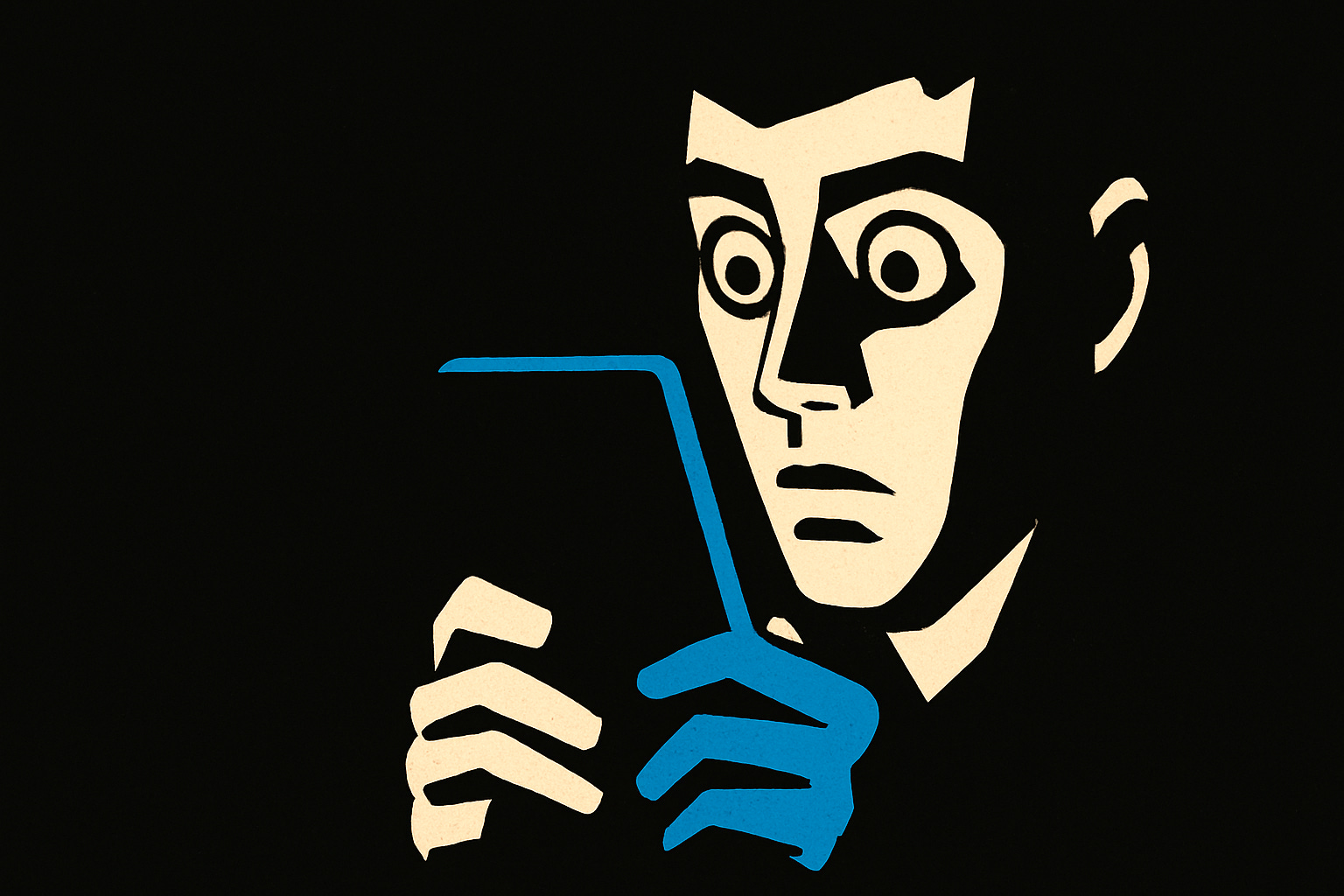
As a writer of biographies, I’m constantly thinking about how to keep readers engaged and looking forward to my next book. I plan to do a lot of experimentation in my work, and I often ponder what books will become in the next 5-10 years, as our attention spans shrivel like grapes under the hot sun. The following is a result of this pondering.
In today’s world, holding a reader’s attention is a bit like catching fireflies in a storm. We live in an era where everything competes for those precious few seconds of focus: social media scrolls, AI-generated content, endless notifications. So how do you write a book that readers can’t put down?
Let’s take a page from James Patterson’s playbook. He’s famous for his thrillers with ultra-short chapters, each one a bite-sized burst of suspense that keeps readers saying, “Just one more.” That structural innovation is one way to keep eyes glued to the page. But it’s not the only one.
Over the last decade, we’ve seen other narrative tricks emerge in popular fiction. Some authors break their books into tiny, modular sections, making it easy for readers to dip in and out. Others experiment with diary formats or log entries. Andy Weir’s The Martian turns survival on Mars into a series of easy-to-read updates, blending humor, science, and tension in digestible chunks. J.K. Rowling’s Harry Potter series mixes variable pacing with cliffhangers at chapter ends, creating that addictive “one more chapter” pull across epic lengths. These approaches help keep readers engaged without demanding a marathon reading session, perfect for our fragmented attention spans.
But let’s dive deeper into more esoteric innovations that have evolved to sustain interest in long narratives:
The unreliable narrator, seen in Gillian Flynn’s Gone Girl, adds layers of doubt and revelation, turning passive reading into an active hunt for truth.
Non-linear narratives, like those in William Faulkner’s works or Pulp Fiction, disrupt timelines to dole out information piecemeal, preventing predictability.
Multiple perspectives, as in George R.R. Martin’s A Song of Ice and Fire, refresh the story with varied voices and clashing views.
Then there’s the fragmented narrative in Jennifer Egan’s A Visit from the Goon Squad, using vignettes to create emotional echoes and reader-driven connections.
Here’s the twist: one of the greatest examples of attention-friendly structure isn’t new at all. It’s ancient.
The Bible, with its collection of short parables, standalone psalms, and epic narratives, has been doing this for millennia. It lets readers take in small, meaningful chunks or dive deep into larger stories, making it one of the most widely read books in history. The formula for keeping attention has been right under our noses all along.
But why call the Bible the ultimate champion in holding readers’ attention? It’s not just ancient, it’s a proven bestseller that outperforms modern blockbusters year after year. In the U.S. alone, Bible sales surged recently, with over 2.4 million copies sold in September 2025. Globally, billions have been distributed over time, and engagement remains strong. According to the 2025 State of the Bible report, 42% of U.S. adults now engage with Scripture weekly, up significantly from recent years. Daily readers report higher life satisfaction, with Bible engagement correlating to greater personal flourishing.
People don’t just read it. They discuss it in study groups, sermons, and online forums every day. They live by its principles in their decisions and ethics. They even memorize vast portions, from individual verses to entire books, as a spiritual discipline practiced by millions worldwide. In an age of fleeting content, the Bible’s grip on attention is unmatched.
Now let’s circle back to those modern innovations. Remarkably, many have direct parallels in the Bible’s texts:
Non-Linear Narrative: Chronology is disrupted for emphasis, as in Genesis 2 expanding non-sequentially on creation or the Gospels rearranging events thematically.
Multiplicity: Multiple viewpoints layer truth, from the four Gospels’ distinct lenses on Jesus to parallel histories in Kings and Chronicles.
Fragmented Narrative: Vignettes abound, like Proverbs’ wisdom snippets or Psalms’ standalone poems, inviting connections.
Variable Pacing Through Chapter Length: Mixes rapid episodes with builds, like Genesis 22’s tense buildup to a divine intervention.
So if you’re looking to write a book for the AI age, one that keeps readers hooked in a world full of distractions, you might just want to look to the Bible for inspiration. After all, the best attention-keeping secret might be one that’s been around for millennia, inspiring writers to craft stories that not only capture eyes but transform lives in this relentless attention economy.